
The New Zealand Society of Diversional and Recreational Therapy (NZSDRT) has been championing therapeutic recreation since its formal incorporation in 1992, with roots stretching back to the late 1980s. Today, the Society represents between 500 and 800 members across Aotearoa, including diversional therapists, recreational officers, lifestyle managers and therapeutic recreation specialists working in aged care, mental health, disability, corrections and community settings.
Diversional and recreational therapy, also known as therapeutic recreation, is the clinical application of joy and purpose. Practitioners follow a structured process of assessment, planning, implementation, evaluation and documentation (APIED) to deliver evidence-based, holistic therapies.
Their work supports people living with dementia, mental health challenges and intellectual disabilities, and is grounded in the principles of Te Whare Tapa Whā, balancing physical, mental, emotional, cultural and social wellbeing.
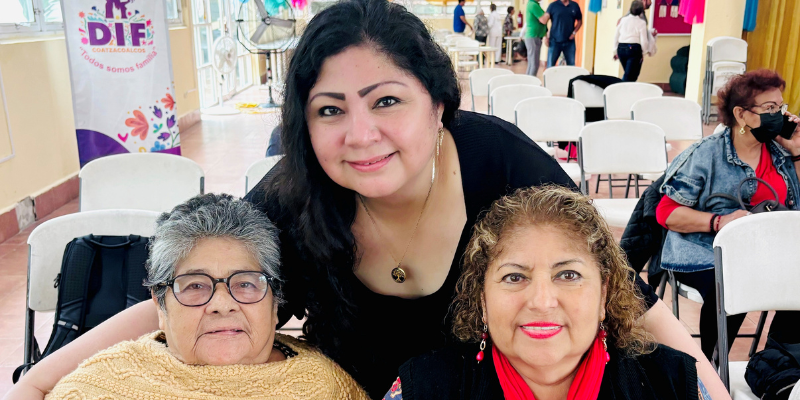
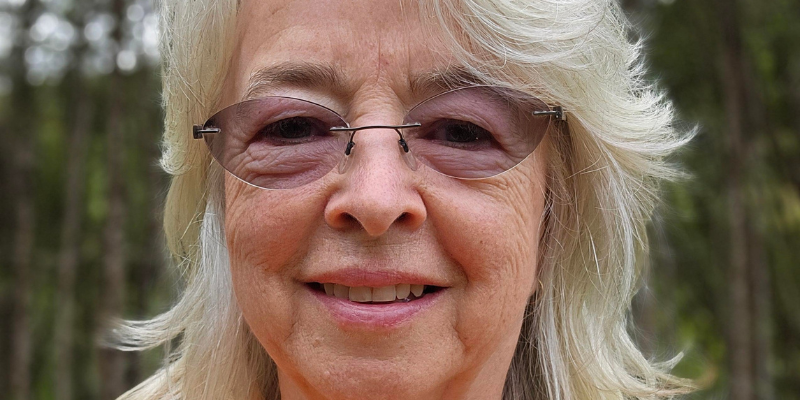
President Kim Prasad (pictured left) says the profession plays a vital but often under-recognised role in healthcare. “We bridge the gap between medical treatment and the human spirit,” she explains. “Our members restore identity and joy. We ensure care is not just a clinical term, but a lived and meaningful experience.”
Members are highly trained and registered professionals who complete extensive practical experience and meet annual practising requirements. However, the profession faces significant challenges. There is currently no dedicated bachelor’s or master’s degree pathway in New Zealand universities, limiting research development, career progression and pay equity.
“The lack of university-level education pathways creates what I call an educational ceiling,” Kim says. “It restricts our growth as a profession and impacts pay equity.”
In aged care particularly, the absence of mandatory staffing ratios can leave one therapist supporting 60 to 100 residents, often being diverted into general caregiving duties. “Diversional therapy must be recognised as a core clinical requirement, not a ‘nice to have’ depending on budget,” Kim says.
Led by an eight-member voluntary board, NZSDRT continues to advocate for stronger recognition, standardised policy settings and sustainable workforce development, ensuring therapeutic recreation is valued as an essential part of holistic healthcare in Aotearoa.